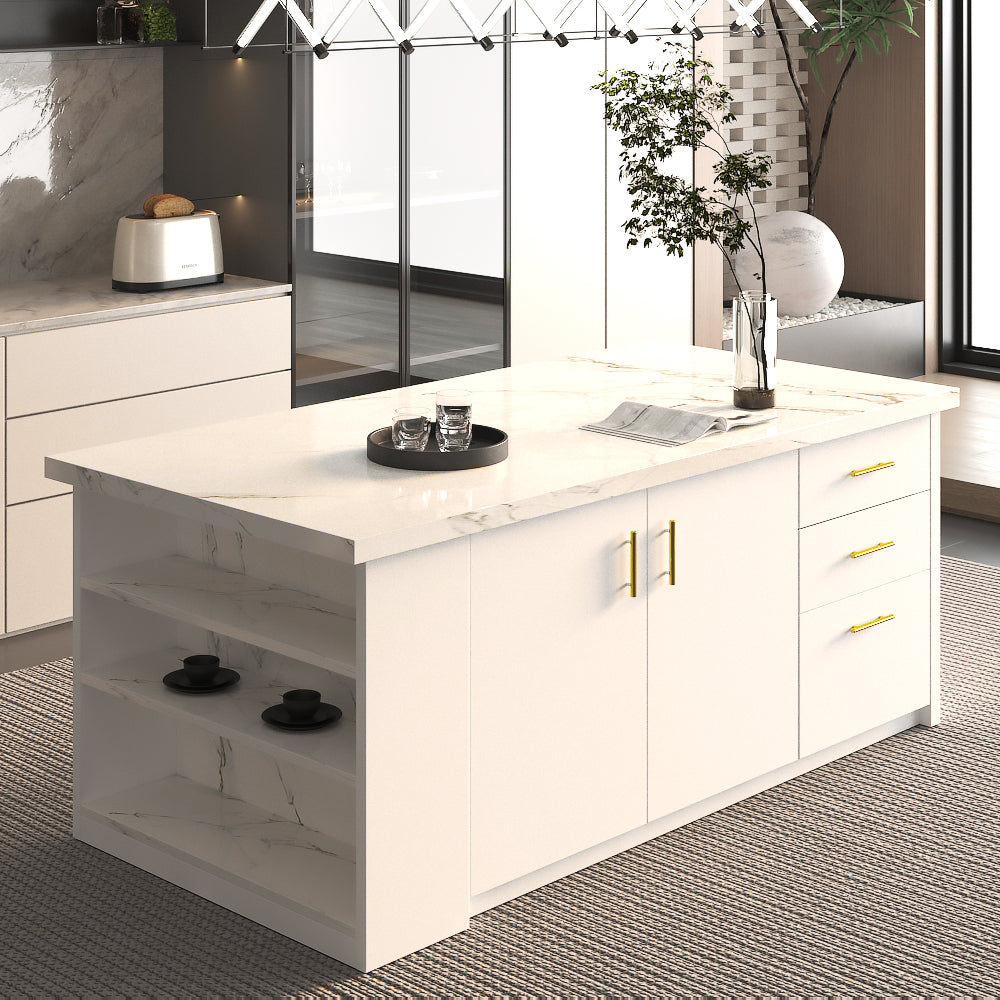

You’ve got the vision—gleaming countertops, morning coffee chats, maybe a few pancakes flipped mid-conversation. But then comes the age-old conundrum: what’s the right size of kitchen island with seating that won’t turn your cooking space into bumper-to-bumper traffic? Turns out, it’s not just about squeezing in some stools and calling it a day. It’s math meets mood board.
As Jeffery D. Sanders, Senior Designer at ModKitchen (2024), says: “People obsess over finishes but forget that two inches too wide can mess up an entire kitchen flow.” Translation? A gorgeous island means zilch if you’re crab-walking past it every night with hot lasagna.
So before hauling in something massive—or worse, skimpy—let's talk proportions, clearance zones, and how many butts fit comfortably at breakfast. You don’t need blueprints… just a little truth serum on space versus style.
3 Key Factors Determining the Size of Kitchen Island Seating

Getting the right size of kitchen island seating isn’t just about squeezing in chairs—it’s a balance of space, comfort, and smart layout choices.
The Impact of Kitchen Layout on Island Size
• An open kitchen layout gives you more room to play with—perfect for a larger island that doubles as a prep zone and social hub.
• In galley-style kitchens, tight space constraints mean your island needs to be slim and efficient.
• L-shaped or U-shaped kitchens often allow for islands that complement the natural workflow, helping traffic move smoothly.
→ Always leave at least 36 inches of clearance around all sides so people can pass without bumping elbows.
A compact floor plan doesn’t mean giving up on an island—it just means getting creative with how it fits into the overall kitchen shape.
Understanding Seating Capacity Based on Island Dimensions
- For every seat, you’ll want about 24 inches of width—this ensures folks aren’t shoulder-to-shoulder.
- A minimum 15-inch counter overhang gives enough room for knees and legs to tuck under comfortably.
- Want seating on both sides? Make sure your island is at least 48 inches wide to accommodate double-sided stools with adequate legroom.
The number of seats depends directly on your island dimensions, but don’t forget: it’s not just about cramming chairs—it’s about creating truly comfortable seating that people actually want to use.

As NKBA's 2024 report notes, “Homeowners are prioritizing function over form—multi-use islands with proper stool spacing are now a must-have.”
Choosing between a Wide or Narrow Kitchen Island
✓ A wide island gives you ample prep space and can house appliances like microwaves or wine fridges underneath.
✓ A narrow island, while limited in storage, works wonders in tighter kitchens where maintaining good flow is key.
→ Always check your available area: if you don’t have at least 42 inches of walkway space around the island, go narrow.
✱ Consider this:
- Large families? Go wide.
- Solo cook in a small apartment? Narrow is your best friend.
- Need more than just seating? Wider islands provide better integrated workspace and hidden storage options too.
Good design isn't always big design—it’s smart use of depth, width, and thoughtful placement within traffic-heavy zones to keep the traffic flow smooth as butter during meal rushes.
Essential Considerations for Compact Kitchen Islands
A tiny kitchen doesn’t mean ditching your dream island—it just means thinking smarter:
• Use wheels or casters for mobility; roll it out when needed, tuck it away when not.
• Go vertical—add shelves beneath for clever storage solutions, especially handy in studio setups.
• Choose a minimalist look with clean lines that scale down bulk visually while still serving as a functional centerpiece.
Compact islands thrive when they're both beautiful and useful—think fold-out leaves, hidden drawers, even built-in trash bins if you're feeling extra clever. The goal? Maximize every inch without making the space feel cramped. In smaller homes especially, multi-functional furniture shines brightest when tailored to fit both form and function within limited square footage—and yes, that includes your small but mighty kitchen centerpiece.
How to Calculate the Perfect Size of Kitchen Island With Seating?

Finding the sweet spot for your kitchen island isn’t just about looks—it’s about space, flow, and how you live in your kitchen.
Dimensions Explained: Square vs. Rectangular Islands
• A square island works great when you’re tight on square footage but still want prep space and maybe a stool or two tucked under.
• A rectangular island, on the other hand, stretches out more seating and counter real estate—perfect for big families or frequent hosts.
• The ideal island dimensions depend on your available floor area; 4x4 feet is often the minimum for square islands, while rectangular ones typically start at 2x6 feet.
→ Your choice between shapes should reflect both your kitchen layout and how you use it daily—are you chopping veggies solo or serving up taco night for six?
Factoring in Seating Types: Chairs or Bar Stools?
- If you're thinking chairs, remember they take up more space than bar stools—about 24–28 inches per seat is standard.
- For bar stools, especially backless ones, you can get away with tighter spacing—around 21–24 inches each.
- Don’t forget about seating overhang; you'll want at least 12 inches of countertop depth for knees to fit comfortably underneath.
The type of seating directly affects the final size of kitchen island, especially if you're aiming for both comfort and capacity without cramping walkways.
According to NKBA’s 2024 Kitchen Trends Report, “Homeowners are increasingly opting for dual-height islands that accommodate both cooking prep and casual dining with bar-height seating.”
Measuring Clearance: Ensuring Comfort Around Your Island
☑ Minimum clearance between your island and surrounding counters should be at least 36 inches—but go up to 42–48 inches if it’s a high-traffic zone like near the fridge or stove.
☑ For households with multiple cooks, extra breathing room around your island can make a world of difference in day-to-day flow.
Split-second decisions like grabbing something from a drawer shouldn’t mean bumping into someone—or worse, spilling hot soup! That’s why factoring in proper kitchen clearance is just as crucial as picking finishes.
When planning out the right size of kitchen island, always balance its footprint with enough room to move freely around it—that's what transforms a showpiece into something truly functional.
Maximizing Efficiency: Optimal Size of Kitchen Islands in 2023
Finding the right size of kitchen island can totally change how your space works and feels. Let's break down what matters most.
Modern Kitchen Islands: Trends and Size Considerations
- Contemporary design is leaning toward clean lines, minimalist profiles, and integrated tech.
- People want more than just prep space—think smart features, hidden outlets, and charging drawers.
- The sweet spot for island dimensions? Usually around 80–90 inches long by 40–50 inches wide if you’ve got the room.
• A good rule? Leave at least 42 inches between the island and other counters to avoid traffic jams.
• Seating capacity often dictates width—two stools need about five feet minimum.
→ Materials matter too: butcher block adds warmth; quartz delivers sleek durability.
Short on square footage? Modular islands with wheels are trending fast.
The Benefits of a Large Kitchen Island for Entertaining
A bigger island turns your kitchen into the ultimate hangout zone. It's not just about size—it’s what that spacious countertop allows you to do:
- Set up buffet-style meals without cramping.
- Let guests perch on comfy stools—hello, guest seating.
- Prep food while chatting thanks to open sightlines.
- Keep drinks flowing with an under-counter wine fridge.
- Hide clutter in deep drawers with clever storage solutions.
“According to NKBA’s 2024 Design Trends Report, oversized islands are now considered essential in kitchens larger than 250 sq ft.”
An oversized island becomes your social HQ—easy access, no crowding, all vibes.
Affordable Kitchen Islands: Size Options for Budget-Conscious Buyers
Not everyone has room—or cash—for a giant slab of marble in the middle of their kitchen. But solid options exist:
✔️ Go for cost-effective, smaller footprints like 36" x 24".
✔️ Choose smart materials like laminate or reclaimed wood for budget-friendly charm.
✔️ DIY kits offer flexibility—adjust height or add shelves later as needed.
Grouped Solutions: • Compact Designs: Drop-leaf islands or fold-out countertops save serious space. • Material Choices: Stick with pine or bamboo instead of pricier hardwoods. • Value Boosters: Look for units that double as breakfast bars or have built-in racks.
The best part? You don’t have to trade function for price when choosing a practical kitchen island size.
Evaluating the Role of Island Features in Size Selection
Your dream island isn’t just about looks—it’s about what it does too. And each feature affects how big it needs to be:
| Feature Type | Minimum Width Needed | Depth Requirement | Notes |
|---|---|---|---|
| Built-in cooktop | 36" | 30" | Needs ventilation clearance |
| Sink integration | 48" | 28" | Add plumbing access |
| Seating arrangements | Up to 60"+ | Varies | One stool = ~24” width |
| Power outlets | N/A | N/A | Must follow local code |
If you're adding both appliances and seating? Plan on at least seven feet lengthwise—and don’t forget airflow gaps!
When designing around functionality, always measure twice before finalizing your kitchen layout.
And hey—if you're stuck choosing between style and smarts, brands like archchic nail both without blowing your budget or floor plan.
Each choice—from finishes to fixtures—influences how well your kitchen flows around its centerpiece: the perfectly sized island.
FAQs about Size of Kitchen Island
What affects the choice between a small and large kitchen island?
A small kitchen island suits kitchens that value space flow, while a large kitchen island dominates open layouts with confidence.
-
Small: Keeps movement free; best for tight, cozy rooms.
-
Large: Expands prep area and encourages shared cooking moments.
Material harmony matters too—pair compact layouts with a stainless steel island, or celebrate bigger spaces using a grand granite top island.
How much clearance should surround an island with seating?
Comfort breathes through spacing: aim for 36–48 inches around your counters. Too narrow and knees crowd; too wide and family bonds stretch apart.
-
Compact spaces → closer to 36 inches for freer walking paths near cabinets or walls.
-
High‑traffic zones → 42–48 inches for easy stool pull‑out beneath an island with countertop or extended bar overhang.
Does shape influence how many people can sit around an island?
Yes — form determines gathering rhythm! A rectangular island easily hosts four to six stools; the gentle curve of an oval shaped island embraces two or three like quiet dinner guests; while an L‑shaped design opens conversation along its bend. Pairing shape with intent makes even a modest compact kitchen island feel generous in spirit.
Which materials balance size, strength, and beauty best?
Each texture tells its own story across scale:
| Material Type | Best Suited For | Personality it Adds |
|---|---|---|
| Wooden / Butcher Block | Medium spaces needing warmth | Rustic charm & approachable tone |
| Granite Top or Marble Top Island | Wide islands built on sturdy frames | Polished luxury & durability |
| Stainless Steel Island | Narrow mobile setups | Modern precision & flexibility |
Blending them cleverly creates both structure and soul within any chosen proportion.
**
How can I plan an affordable design without losing function?
**
An affordable kitchen island, trimmed yet ambitious, is achievable through mindful detailing rather than excess width.
• Choose natural tones — think white, gray, or natural wood islands — to brighten compact corners visually.
• Integrate double duty features like drawers under seats or subtle shelves behind panels for daily essentials.
Even in simplicity, such arrangements let each square inch whisper efficiency inside your personal culinary stage.